

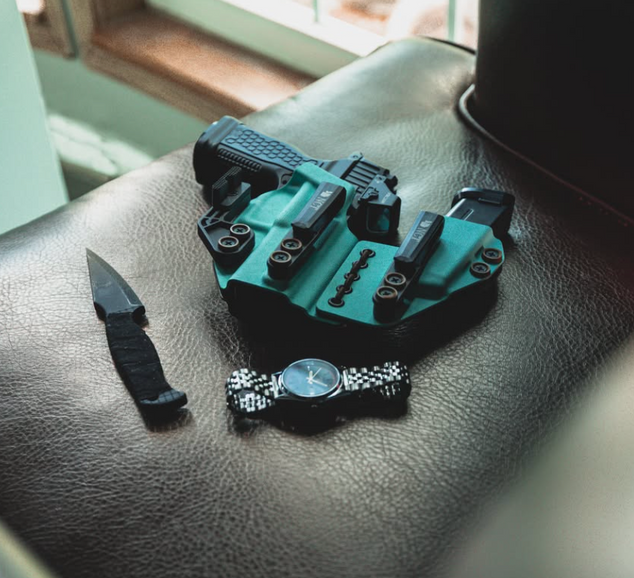
How Grip Affects the Draw From a Holster
Jul 12th 2026
Improving Your Concealed Carry Technique
A fast and consistent draw starts before your firearm ever leaves the holster. While many shooters focus on speed, reaction time, or trigger control, one of the most important parts of the draw stroke happens during the very first movement: establishing a proper grip.
Your grip on the firearm directly impacts your ability to draw smoothly, acquire your sights, and deliver accurate follow-up shots. Whether you carry concealed every day, compete in shooting sports, or train for defensive situations, understanding how grip affects your draw from the holster is essential.
Our team at ECM Precision is going to break it down.
Why Your Grip Matters During the Draw
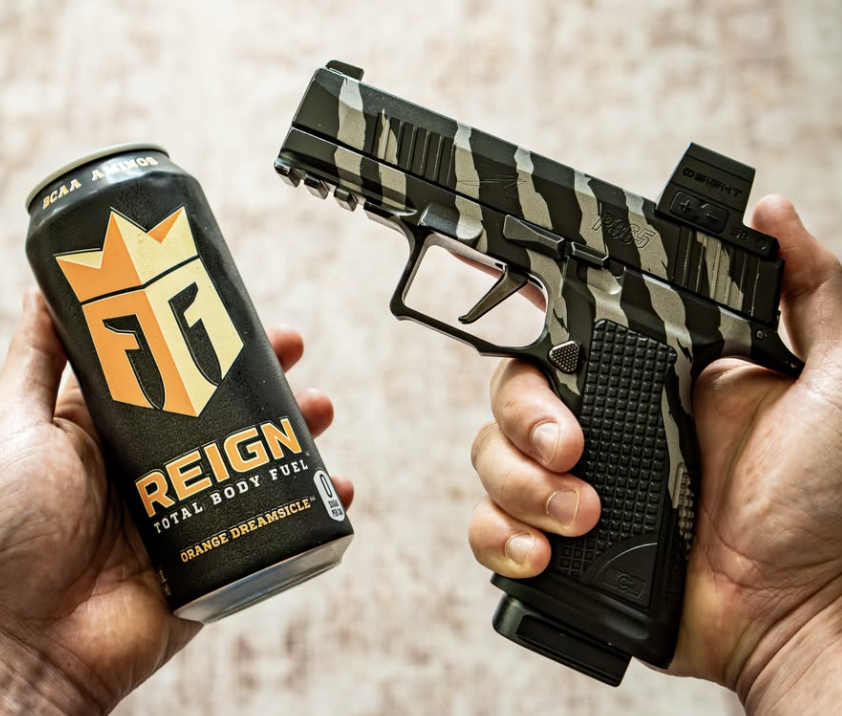
The draw stroke is a series of connected movements. A mistake at the beginning can affect every step that follows.
A proper firing grip allows you to:
- Control the firearm immediately after clearing the holster
- Reduce unnecessary movement during presentation
- Improve sight alignment
- Manage recoil more effectively
- Transition into accurate follow-up shots faster
A poor grip can create problems before you even fire your first round. If your hand position is inconsistent or incomplete, you may need to adjust your grip after drawing, costing valuable time and reducing accuracy.
Establishing a Proper Grip Before Drawing
The moment your hand contacts the firearm is one of the most important parts of the draw.
Your goal should be to establish as much of your firing grip as possible while the firearm is still secured in the holster.
A proper initial grip includes:
High Hand Position
Your dominant hand should ride as high on the grip as possible. A high grip helps reduce leverage during recoil and allows better control once the firearm is presented.
A lower grip creates more movement during firing and forces you to recover between shots.
Firm Contact With the Backstrap
Your hand should make solid contact with the backstrap of the firearm. This reduces gaps between your hand and the firearm while improving overall control.
Consistent Finger Placement
Your trigger finger should remain straight and indexed along the frame until you are ready to fire. Developing consistent finger placement during the draw builds safer and more repeatable habits.
A Weak Grip Creates a Slower Draw
Many shooters underestimate how much time is lost from an improper grip.
Common issues caused by a weak initial grip include:
- Having to reposition the firearm after drawing
- Excessive movement during presentation
- Slower sight acquisition
- Poor recoil control
- Inconsistent accuracy
A proper draw should feel like one continuous motion. If you have to adjust your grip after the firearm leaves the holster, you are adding unnecessary steps.
The Relationship Between Holster Setup and Grip
Your holster plays an important role in helping you establish a consistent draw.
A quality holster should provide:
- Secure retention
- Consistent positioning
- Proper ride height
- A repeatable grip opportunity
If your holster sits too high, too low, or at an uncomfortable angle, it can make obtaining a proper grip more difficult.
For concealed carriers, finding the right balance between concealment and accessibility is critical. A holster that allows a full firing grip while maintaining comfort will help improve consistency.
How Concealed Carry Changes Your Grip
Drawing from concealment is different from drawing from an open holster. Clothing, body position, and concealment methods all affect your ability to access the firearm.
Common challenges include:
- Shirts blocking access to the grip
- Clothing getting caught between your hand and firearm
- Limited space when seated
- Different grip angles caused by concealment positions
Practicing with your actual carry setup is important. The grip you establish during training should match the grip you use when carrying daily.
Appendix Carry and Grip Considerations
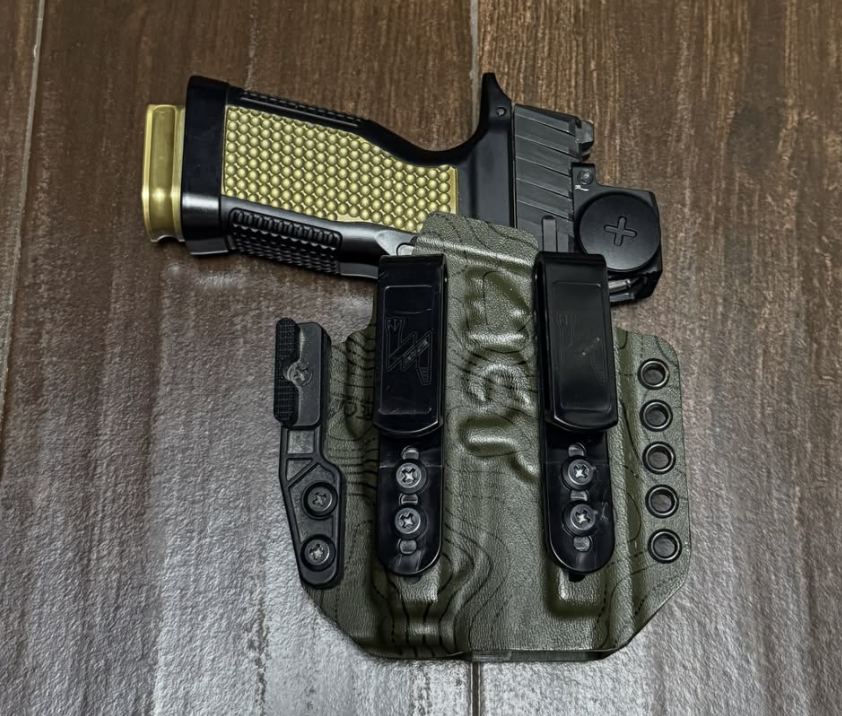
Appendix inside-the-waistband (AIWB) carry has become increasingly popular because it offers excellent concealment and accessibility. However, establishing a consistent grip from appendix carry requires proper setup.
Factors that affect your draw include:
- Holster ride height
- Grip length
- Cant adjustment
- Clothing choice
- Body position
A properly positioned appendix holster should allow your hand to quickly establish a full firing grip without excessive movement.
Practice Your First Movement
Many shooters focus on the speed of their draw but overlook the importance of the first few inches of movement.
The first movement should be:
- Establish a strong grip.
- Clear the firearm from the holster.
- Bring the firearm toward the centerline of your body.
- Join your support hand.
- Extend toward the target.
A strong initial grip makes every following step smoother.
Avoid These Common Grip Mistakes
Gripping Too Low
A low grip reduces control and often forces shooters to adjust their hand position after drawing.
Rushing the Grip
Speed should not come at the expense of consistency. A rushed grip usually creates more problems than it solves.
Not Using the Support Hand
Your dominant hand controls the initial draw, but your support hand plays a major role once the firearm clears the holster. A proper two-handed grip improves stability and recoil management.
Changing Your Grip Between Draws
Consistency is key. If your grip changes every time you draw, your performance will be unpredictable.
How to Improve Your Draw Through Dry Fire Practice
Dry fire is one of the best ways to train when not at the range and improve your draw without live ammunition.
Practice:
- Establishing your grip
- Clearing the holster
- Presenting the firearm
- Building a consistent two-handed grip
- Resetting and repeating
Start slowly and focus on perfect movement. Speed comes naturally after consistent technique is built.
Why Your Holster Matters
A quality holster is more than just a way to carry your firearm. It is the foundation of a reliable draw stroke.
A properly designed holster keeps your firearm secure while allowing you to access it quickly and consistently. Features like proper retention, comfortable positioning, and a design that allows a full firing grip can make a significant difference in your everyday carry setup.
Upgrading Your Grip Module for Better Draw Performance
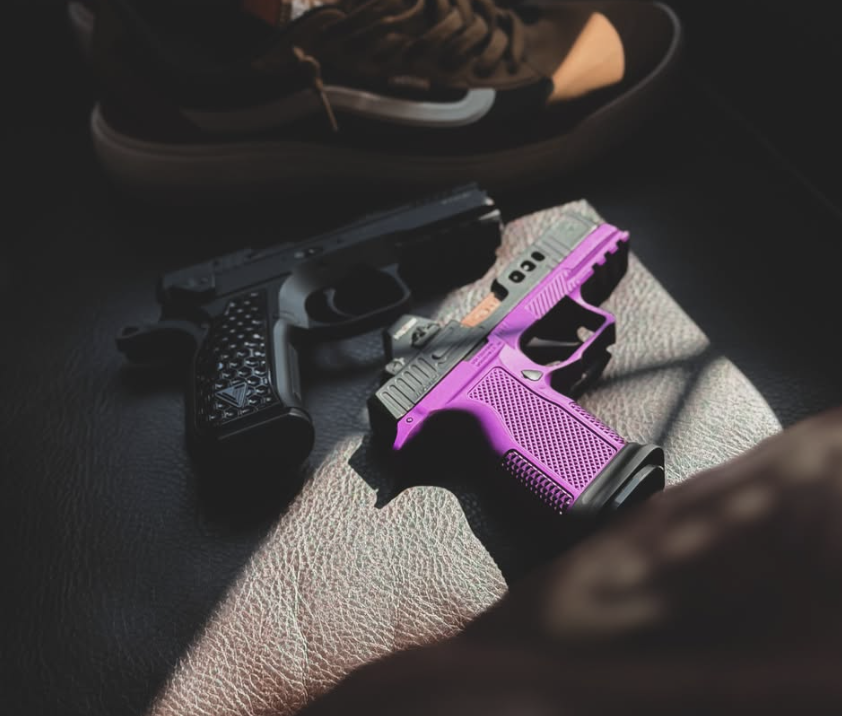
For many handgun platforms, upgrading the grip module can be one of the most effective ways to improve your draw and overall shooting performance. The grip module is the primary point of contact between you and your firearm, meaning even small changes in texture, shape, and ergonomics can have a noticeable impact on how quickly and consistently you establish your firing grip.
An upgraded grip module can help create a more natural connection between your hand and firearm, making it easier to achieve a high, secure grip during the draw.
Improved Grip Texture and Control
Factory grip modules are designed to accommodate a wide range of shooters, which means they may not provide the ideal texture or feel for every user. An upgraded grip module can offer more aggressive texturing that helps prevent your hand from shifting during the draw or while shooting.
A more secure grip allows you to:
- Establish a consistent hand position faster
- Maintain control during recoil
- Reduce the need for grip adjustments after drawing
- Improve confidence during high-speed shooting
This is especially important for concealed carriers who may need to draw quickly while dealing with stress, movement, or less-than-ideal conditions.
Better Ergonomics for a Faster Draw
Every shooter’s hands are different. Grip circumference, angle, and overall shape can determine how naturally your hand indexes on the firearm.
A grip module that fits your hand properly can help you achieve:
- A higher grip position
- Better trigger reach
- Improved support-hand placement
- More consistent presentation
When your hand naturally falls into the correct position, your draw becomes more repeatable. Instead of searching for the right grip after the firearm clears the holster, you can establish proper control immediately.
Build a Better Draw Through Better Grip Technique
The fastest draw is not always about moving faster—it is about removing unnecessary movement. A proper grip allows you to draw efficiently, get on target quickly, and maintain control throughout the shooting process.
By focusing on grip consistency, practicing with your carry setup, and using a quality holster designed for your firearm, you can build a faster, smoother, and more reliable draw stroke.
Your draw starts with your grip. Make sure it is built correctly.
Be sure to follow ECM Precision on Instagram!